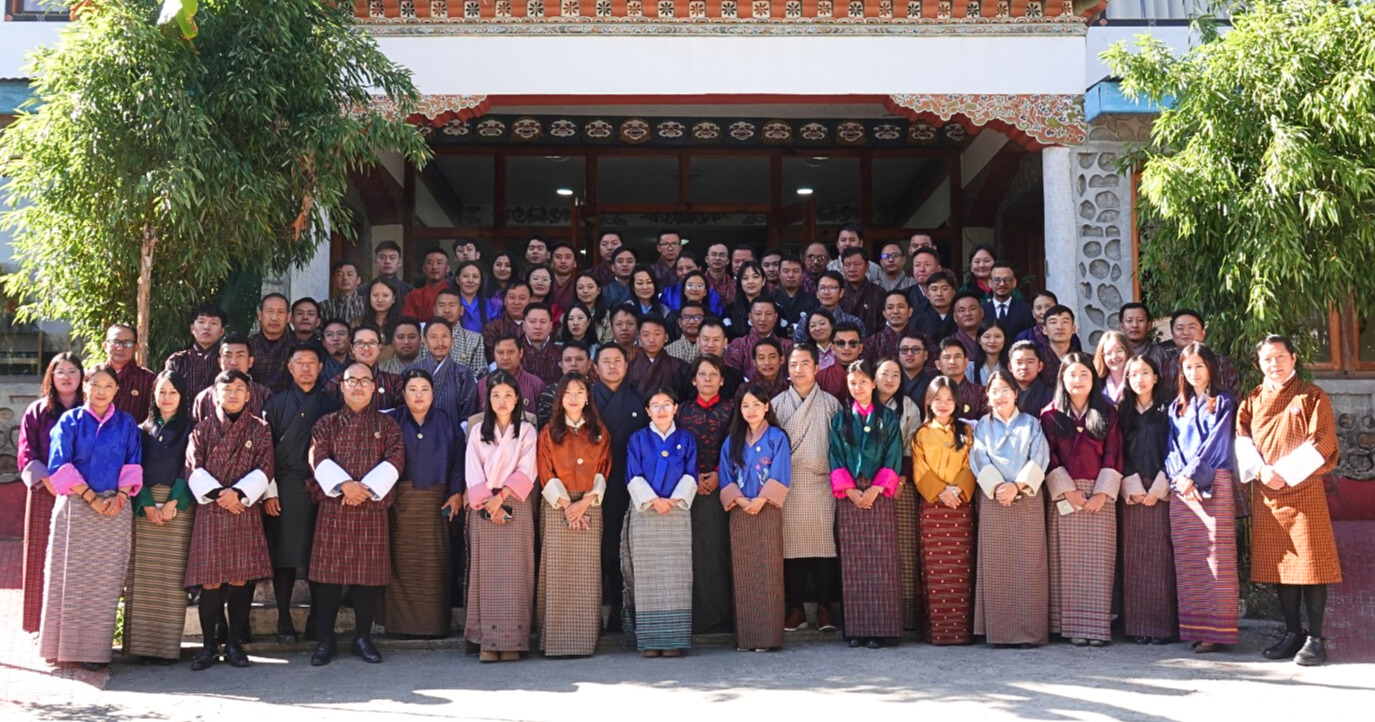
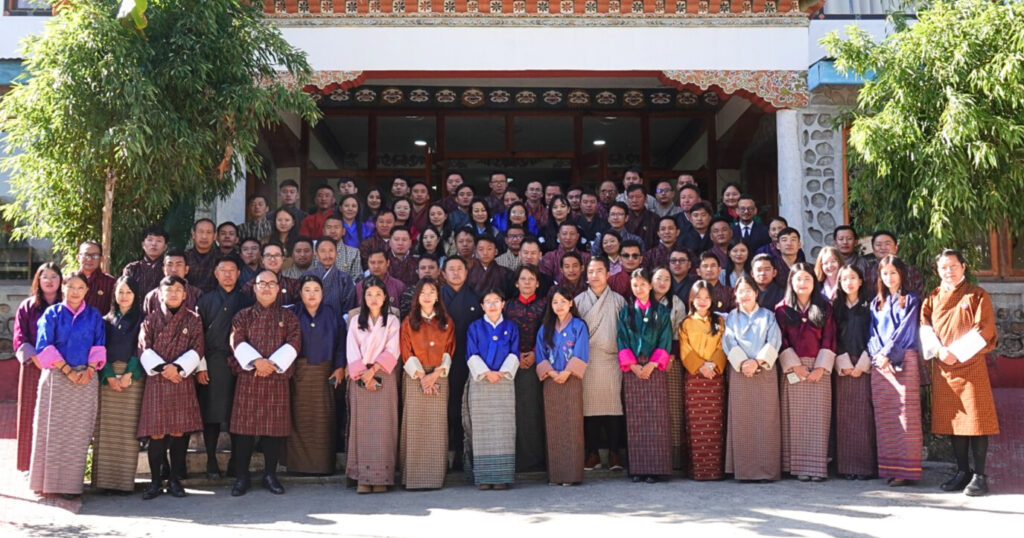
The Bhutan Innovation Lab (BIL) conducted a capacity building session for government planning officers during the National Planning Officers’ Forum held from 29 November to 3 December 2025 at Namseychhoeling Resort, Paro. Organized by the Office of Cabinet Affairs and Strategic Coordination (OCASC), the Forum brought together planning officers from ministries, agencies, and local governments to strengthen strategic planning, coordination, and foresight practices for the 13th Five Year Plan.
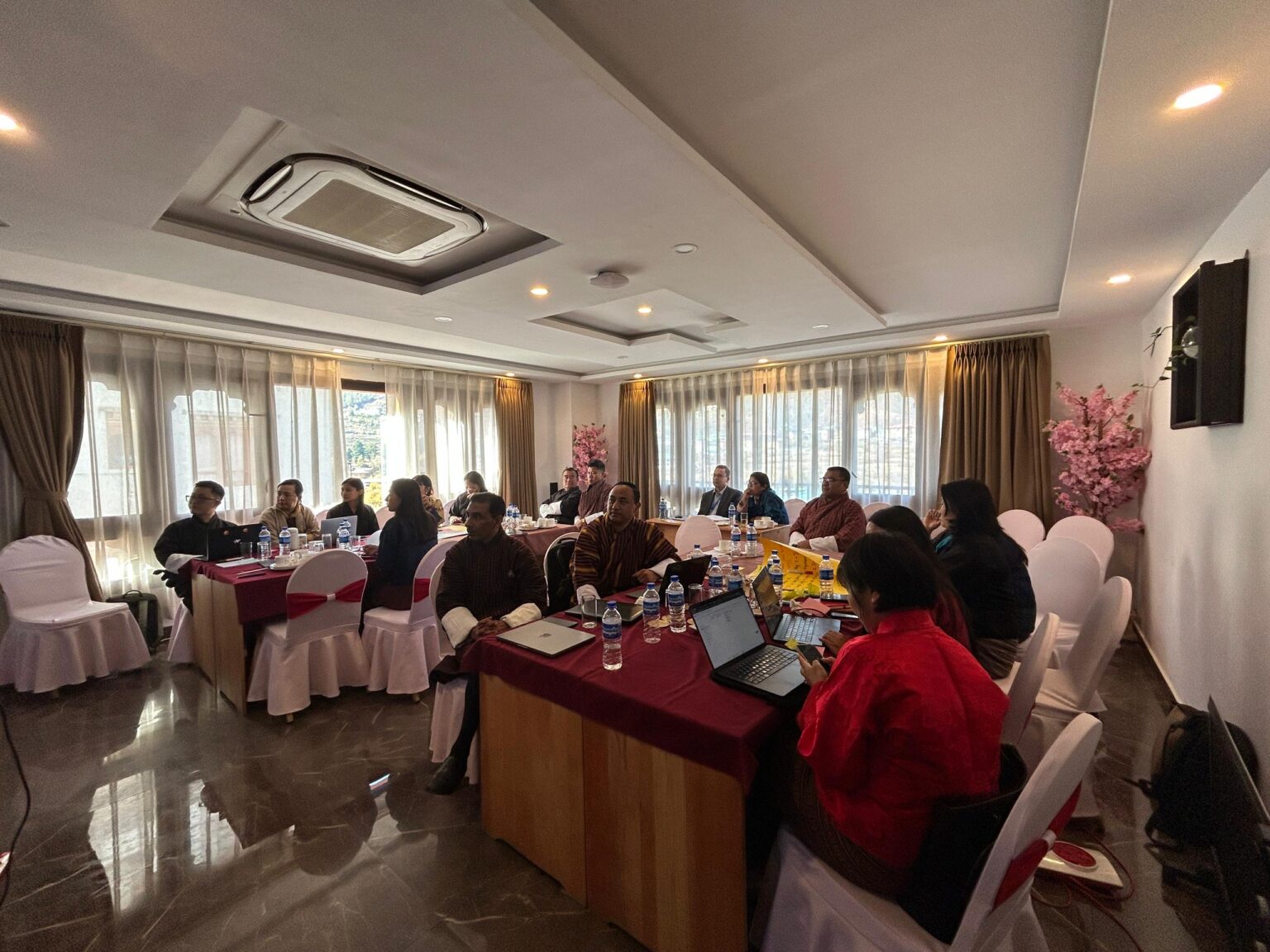
BIL played a central role in introducing new ways of thinking about policy design, future preparedness, and problem-solving. Across two days, BIL led a series of interactive sessions focused on discussion-based learning, collective interpretation, and group-based problem analysis.
29 November 2025- Foresight, Challenges, and the Policy Landscape
BIL began with a brief Introduction to BIL, followed by a session titled “Success or Failure?-The Vital Role of Foresight.” Participants reflected on why policies often fail and how foresight methods can help governments anticipate change rather than react to it.
Later in the afternoon, BIL presented “Four Policy Challenges,” setting the stage for discussions on Bhutan’s most complex national issues. This led into two major group-based workshops:
- Problem Definition
- Understanding the Landscape: Trends, Drivers and Signals
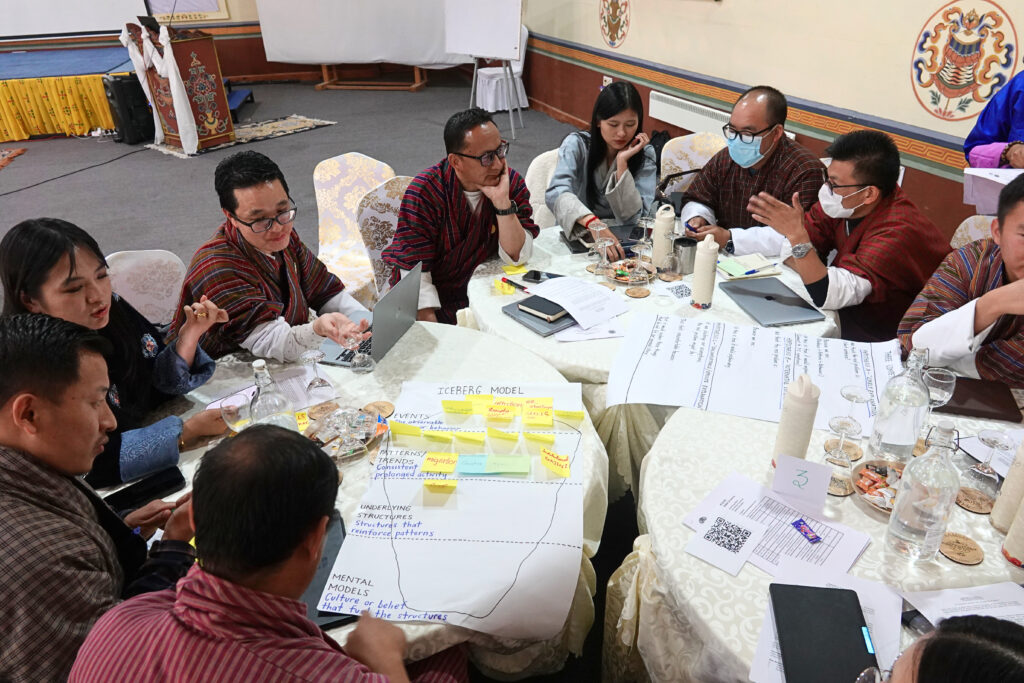
To ensure deeper engagement, participants were divided into five thematic groups, each exploring a critical issue area:
- Waste Management
- Drugs and Substance Use
- Brain Drain
- Tourism
Each group mapped the underlying causes, emerging drivers, and uncertainties shaping their issue. The discussions were highly interactive, with teams debating different viewpoints, identifying blind spots, and surfacing insights that often go unnoticed in traditional planning formats.
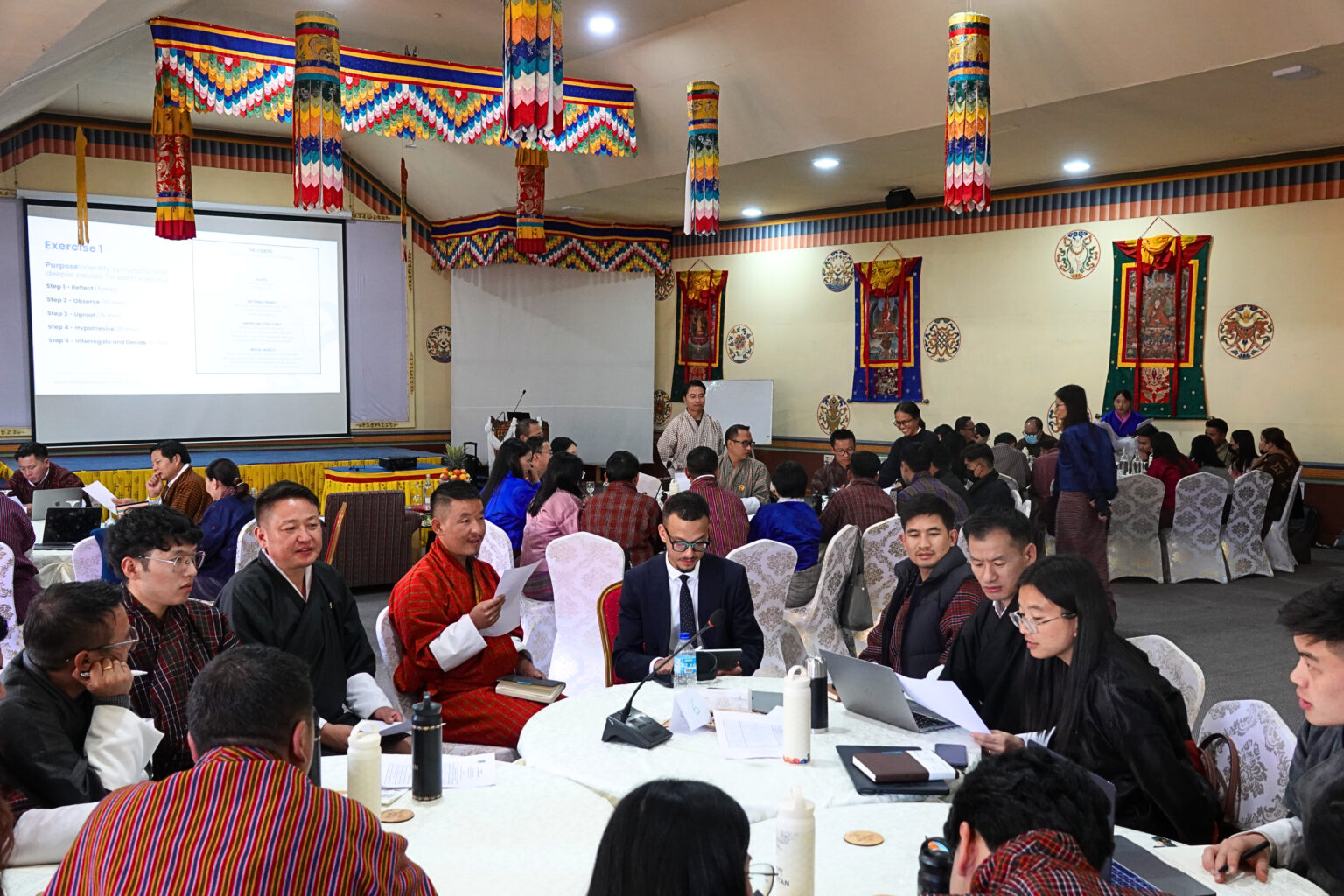
30 November 2025- From Signals to Priorities
The second day focused on sensemaking and signal interpretation. BIL facilitated a session on “Making Sense of Signals for Better Policy Design and Sensemaking,” where officers learned how weak signs of change can inform stronger policies.
This was followed by a hands-on Signal Filtering and Sensemaking Exercise, again conducted in the same thematic groups.
The group-work approach enabled officers to think collectively, challenge assumptions, and co-create a shared understanding of emerging challenges.
Strengthening Planning Through Foresight
BIL’s contribution to the Forum supported a wider national effort to modernize Bhutan’s planning processes. Through discussion-driven sessions and structured group work, the program strengthened three essential capabilities for planning officers:
- Foresight: Anticipating emerging challenges and long-term shifts.
- Problem Framing: Defining issues accurately before designing solutions.
- Sensemaking: Interpreting trends, drivers, and signals to support evidence-informed decision-making.
These capabilities are vital as Bhutan prepares for a rapidly changing future and a more innovation-driven economy. BIL remains committed to supporting government agencies and local governments in integrating foresight tools and collaborative methods into national planning and policy development.